A vehicle’s glass shapes more than the view. It defines cabin quiet, crash protection, and the way light plays across the interior. The best owners I know treat their glass the way they treat their leather, paint, and powertrains: with intent. Choosing the right auto glass is not about the cheapest quote or the first open appointment. It is an exercise in priorities, matching materials and methods to how you drive, where you park, and what you expect from your car on the road.
I have stood in wind tunnels listening for whistles. I have test-driven cars after a windshield swap specifically to feel wiper stutter at highway speeds. I have watched a gifted technician lift adhesive strings off a dash with a single, steady motion. The difference between mediocre and excellent Auto Glass Replacement is as tangible as a misaligned door or a dull blade on a chef’s knife. With that in mind, here is what matters, and why.
Safety starts with the pane you cannot afford to cheapen
The windshield is a structural component. In many vehicles, especially modern unibody designs, it contributes a meaningful share of roof-crush resistance. During airbag deployment, the passenger-side bag ricochets off the glass to position itself correctly. If the glass bond is weak or the wrong adhesive is used, the bag can blow the glass out instead of saving a life. I have seen that failure in testing. It is not hypothetical.
Proper Windshield Replacment hinges on two fundamentals: using an adhesive that meets vehicle maker specs and allowing a true safe drive-away time. High-modulus urethane adhesives can cure within a couple of hours under warm, dry conditions. Cold, humid evenings double or triple that. The best shops measure temperature and humidity, use cure charts, and refuse to rush. If someone offers you a 30-minute turnaround for a full replacement in winter, ask them to write their cure time on the work order and sign it. Watch how quickly the bravado fades.
There is also the glass itself. OEM glass usually carries the automaker’s logo and comes from the same suppliers that built the car. The fit around complex camera housings and acoustic layers tends to be precise. Aftermarket glass ranges widely, from premium brands that match OEM optical quality to commodity panels with subtle waviness and thicker frit paint that can crowd trim clips. You can live with a slight optical ripple until you drive at dusk on a wet highway, watching taillights smear like watercolors. That is when you appreciate the difference.
Understanding the alphabet soup: laminated, tempered, acoustic, and more
Front windshields are laminated. Two sheets of glass sandwich a clear plastic interlayer, typically polyvinyl butyral. This keeps the pane intact during an impact and reduces ejection risk. It also allows specialty laminates such as acoustic interlayers, which damp high-frequency noise. When a client calls me to quiet a luxury SUV with oversized tires, an acoustic windshield is one of the first changes I recommend. You can measure a two to three decibel reduction in certain bands. In the cabin, it reads as less hiss over rough asphalt and a calmer sense of space.
Side and rear windows are generally tempered. Tempering strengthens the pane but makes it shatter into small, relatively blunt cubes during a break, which is safer for occupants. There are exceptions. Some high-end sedans and SUVs offer laminated side glass for theft deterrence and noise control. I have replaced laminated front door glass after an attempted break-in where the thief gave up because the panel refused to surrender. It weighs more and costs more, but if you street-park in a city, the value is obvious.
Heated windshields deserve a mention. Some use ultrafine embedded wires. Others employ a conductive coating at the edges. Both clear frost with elegant speed. The tradeoff is repair complexity, because certain resin-based Windshield Repair techniques can show faint halos around wires. If you have embedded heating, choose a shop that has specific experience with that system, not just a line on a website.
ADAS changed the game
Advanced driver assistance systems rely on cameras and sensors mounted behind or near the windshield. Lane-keeping, traffic sign recognition, adaptive cruise with stop-and-go, night vision on some halo models, even rain sensors for the wipers, all share a view through the glass. Angle and clarity matter. After a windshield swap, those systems often require calibration. There are two primary methods: static targets in a controlled bay and dynamic calibration on the road with a scan tool. Some cars need both.
Calibration is not a box to tick for the invoice. I have felt a lane-centering system subtly hug the wrong side of a lane because the camera sat a degree off axis after a careless installation. The car did not bark an error. It simply behaved incorrectly. Demand a printout showing pre- and post-calibration status, with fault codes cleared and alignment values in spec. Make sure the shop has enough space and correct targets if your car calls for static calibration. This is where the romance of handcraft yields to the discipline of procedure.
Repair or replace: the crack is telling you a story
A clear, round stone chip about the size of a pea, and no legs extending beyond an inch or so, is a textbook candidate for Windshield Repair. A skilled technician cleans the crater, injects a low-viscosity resin under vacuum, then cures it with UV light. The fix stops the damage from spreading and improves optics to a faint smudge. I have watched repair specialists drill a micro-pit the size of a pinhead to access a stubborn air pocket, then coax resin until a star break calms and nearly disappears. The best outcomes happen within a few days of the impact, before dirt and moisture intrude.
Long cracks tell a different story. In my experience, anything beyond six inches, or within the wiper sweep in front of the driver, usually pushes you toward replacement. Heat and cold cycles lengthen cracks like a mood ring reacts to touch. The cleaner the initial break, the higher the odds of a graceful repair. Once a crack touches the edge of the glass, stress concentrates and repair becomes a short-term bandage at best. This is one place not to be romantic. If replacement is warranted, do it once and properly.
Clarity is luxury
The quietest cabin and the most powerful engine lose their charm if the view ahead feels strained. Optical quality varies. You can test a piece of glass by holding a printed grid behind it and moving your eye left to right. Lines should stay straight. Subtle distortions near the edges can be acceptable, but waves in the central viewing area cause eye fatigue. Aftermarket glass has improved significantly over the past decade, yet I still encounter panels where road signs ripple at certain angles. For a driver who spends hours on interstate journeys, that matters.
Tint and coatings also affect perception. Factory solar coatings manage heat without deepening the shade excessively. Aftermarket tints, when applied to the inside of tempered glass, can offer excellent heat rejection, but the quality of film and the patterning around dot matrices at the edge of windows separate refined from rough. Choose ceramic films from reputable brands and installers who pattern by plotter, not just hand-cut in the door seals. For the windshield, many jurisdictions prohibit tint beyond the visor strip. When clients ask me for relief from harsh sunlight, I steer them toward photogray sun lenses or a clear nano-ceramic windshield film that is legal and unnoticeable, yet knocks down infrared heat.
Acoustic comfort, refined
Acoustic laminated windshields and, where available, laminated front door glass, can change the character of a car. The improvement is not only measurable. It feels like someone closed a curtain between you and the chaos outside. If you drive a luxury sedan already engineered for hush, replacing a broken acoustic windshield with a standard laminated unit can add a faint edge of sibilance that you will hear every time you cross a concrete bridge. I have had clients return to swap back because they could not un-hear the difference.
Matching part numbers here pays dividends. OEM catalogs often list multiple glazing options by trim. If your car launched with an acoustic windshield, make sure the replacement specifies acoustic interlayer. Some aftermarket manufacturers print “Acoustic” or a small ear symbol on the bug. Others simply note a code. Ask the shop to confirm, not assume.
Weather, climate, and your commute
The right Auto Glass is contextual. Mountain climates impose freeze-thaw cycles that punish marginal repairs. Desert sun tests adhesives and causes plastic cowl panels to warp, which can lift edges and invite wind noise after a replacement. Coastal areas add salt and fine grit, so seals and trim age faster. In each case, I adjust recommendations.
If you garage your car and drive urban miles at moderate speeds, a high-quality aftermarket windshield with proper installation and calibration serves perfectly. Highway commuters who run 70 to 80 mph daily benefit from acoustic glass and meticulous cowl refit. If you tow, the extra vertical buffeting on the tow vehicle makes a secure bond even more critical. For owners who throw mountain bikes in the back or haul dogs that fog glass with breath, hydrophobic coatings on the rear hatch glass can keep visibility safer in rain and grime.
The installation tells on itself
Watch the prep. A good technician lays clean covers, removes cowl plastics with the right tool rather than snapping clips blindly, and wears cut-proof gloves. They trim the old urethane to a smooth, thin bed instead of scraping to bare metal unless rust forces the issue. Primer goes on only where needed and flashes properly before adhesive. The adhesive bead sits proud and even, laid with a V-nozzle sized to the car’s flange. The windshield lowers in one controlled motion, not set, lifted, and reset.
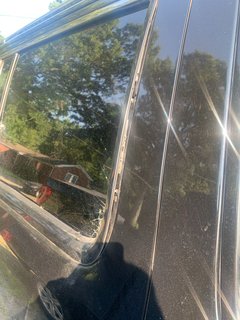
After seating, the gap around the perimeter should be uniform. Garnish moldings should sit flush with no waves. Rain gutters reattach cleanly. Wipers should return to original parking alignment, and the arms should not chatter on the first pass. On the road, you should not hear a whistle at 50 mph. If you do, request an immediate inspection. Often the cure is a subtle molding adjustment or filling a tiny void in the adhesive. Left alone, it becomes a song you cannot tune out.
When to insist on OEM and when aftermarket earns trust
I keep a short list of cars where OEM glass is my default. Complex heads-up display systems with color-specific coatings. Exotic curvature in supercar windshields, where even a millimeter changes how A-pillars appear. Older luxury cars with discontinued trim clips that only line up with a specific frit border. For these, the expense of OEM is a form of insurance.
On mainstream vehicles with common glazing profiles, top-tier aftermarket glass performs admirably. The key is your supplier. Ask which brand they plan to install. Names with consistent optical quality and precise camera brackets deserve your business. Some insurers push network suppliers because of contracts. You are usually allowed to choose your shop and request a particular brand, though you might pay a small difference. Weigh that against years of daily use.
The economics of repair versus replacement
Windshield Repair is almost always the better first move financially and environmentally for small damage. It costs a fraction of replacing, preserves the factory seal, and keeps a reusable panel in service. Many carriers cover chip repair with no deductible because it reduces claims for replacements. The artistry lies in knowing when to stop. I have refused to inject resin into a long crack on a client’s touring coupe during summer heat. It would have looked tidy Tuesday and crept open by the weekend.
Replacement justifies itself when visibility Lancaster auto glass replacement or structural integrity is compromised, or when ADAS calibration cannot be trusted after a flawed panel was previously installed. If a prior installer scratched the pinch welds and rust has started, you must address that rust before rebonding. A clean, primed surface prevents future leaks and corrosion. Budget an extra day for rust remediation if needed. It is not glamorous, but it prevents a cascading headache.
Small touches that elevate the outcome
A hydrophobic coating on fresh glass improves wet weather confidence. The first minutes in rain, before wipers sweep, beads stand and slide away. On a new windshield, a careful application lasts longer because it bonds to a clean surface. If you wear polarized sunglasses and have a heads-up display, test a sample section for rainbowing before committing to a coating across the full pane.
Wiper blades deserve attention. Old, hardened blades carve micro-scratches and chatter. Replace them during or shortly after a windshield swap. Aim for beam-style blades that maintain even pressure. A shop that includes fresh blades on premium installations tends to be the shop that tapes moldings overnight to set and schedules a perfect ADAS calibration in daylight rather than at dusk.
Interior cleanliness matters too. Resin dust can settle on a dash like talc. A meticulous technician vacuums and wipes with a microfiber, leaving no fingerprints on pillars or glass. On performance cars with suede or Alcantara, even a greasy thumbprint becomes a stain. You want a team that knows how to mask and handle with care.
Insurance, fine print, and your leverage
Policies vary. If you carry comprehensive coverage, glass claims typically fall there and often do not affect rates the way collision claims can. Some states allow zero-deductible glass coverage. Others do not. You can ask your insurer about OEM endorsements that guarantee OEM glass on certain models or under specific circumstances. The language matters. I have helped clients navigate claims where the estimator initially rejected an acoustic windshield, only to approve it after we presented the build sheet and the correct part code.
Keep documentation from any calibration. In the unlikely event of a later incident tied to lane-keeping or braking assist, that paperwork shows diligence. If a shop refuses to calibrate or claims your model does not need it, confirm with a dealer or a trusted independent with factory-level tools. Your leverage lies in knowledge and in choosing a provider who values reputation over volume.
What to ask before you book an appointment
- Which brand of glass will you install, and is it acoustic or HUD-compatible if my car requires it? Will you perform and document ADAS calibration as required by my vehicle? Static, dynamic, or both? What adhesive system do you use, and what is the safe drive-away time for my conditions today? How do you protect the interior and exterior finishes during the job? If rust is present on the pinch weld, how will you address it before bonding?
These five questions separate the professionals from the pretenders. You will hear confidence and specifics from a serious shop: product names, torque specs for wiper arms, details about target boards and bay length for calibration. If the answers feel vague, keep looking.
A note on classic and specialty vehicles
Older cars present a different set of challenges. Some use gasket-set windshields rather than bonded urethane. Others have chrome trim that is impossible to source if bent. I have chased down a period-correct laminated windshield for a 60s coupe where the green tint band carried a slightly different hue that would have clashed with original side glass. Patience and parts knowledge define success here. In these cases, I prefer a shop familiar with restoration work, not just a mobile truck that lives on insurance volume. The craftsmanship looks slow, then pays you back every time you roll the car into morning light.
For off-road builds, consider sacrificial tear-offs or protective films on the windshield. Trail dust and branches scratch glass quickly. A well-applied film can take the abuse and be replaced seasonally, saving the primary panel. Accept that optical distortions from thick protective films exist. Keep them thin if you daily-drive the truck.
Living well with your new glass
The first 24 to 48 hours after Auto Glass Replacement set the tone. Avoid slamming doors. Pressure spikes can stress uncured adhesive and crease a bead. Leave the retention tape in place until the shop advises removal. Do not hand-wash the car or run it through a wash tunnel immediately. High-pressure jets can lift moldings before the adhesive settles.
In the first week, listen. Wind whispers usually reveal themselves on the highway, often around the A-pillars. If you hear something new, return promptly. Adjustments are simplest early. Resist the urge to test wipers on a dry windshield. That first sweep sets the memory of the blade to the arc of the glass. Priming with washer fluid keeps the rubber from skipping.
Finally, clean with simplicity. Ammonia-free glass cleaner and a flat weave microfiber are enough. Paper towels lint and scratch. Work from the top down. If you have a head-up display, clean lightly and avoid silicone sprays that can haze under sunlight.
The luxury of choosing right
True luxury in the realm of Auto Glass is not a badge or a price tag. It is the calm that settles when a storm breaks and the view ahead remains sharp, silent, and secure. It is the knowledge that your Windshield serves the safety systems hidden behind the mirror, that a careful Windshield Repair saved the original seal when it made sense, and that a thoughtful Windshield Replacment aligned every piece the way the factory intended.
I have delivered cars back to clients after a proper installation and watched them pause, then smile, because the drive felt better than before the stone strike that started it all. That is the outcome worth pursuing. Choose materials for your needs, prioritize correct calibration, insist on craft in the installation, and take the extra minute to ask the right questions. Good glass turns a commute into a cocoon. Great glass lets your car become what the engineers intended: a sanctuary that moves.